The New Freedom Seniors Are Choosing in 2025: Smart Mobility That Fits Real Life
On a bright Sunday, I watched my neighbor Ruth, 74, tap her phone and summon a quiet ride to the farmer’s market. No waiting, no wrestling with heavy bags, no asking for favors. That small trip felt like a big yes to living on her terms. If you have a parent, partner, or you yourself are exploring what freedom looks like now, smart mobility is rewriting the map in 2025 in simple, human ways.
What Changed, And Why It Matters
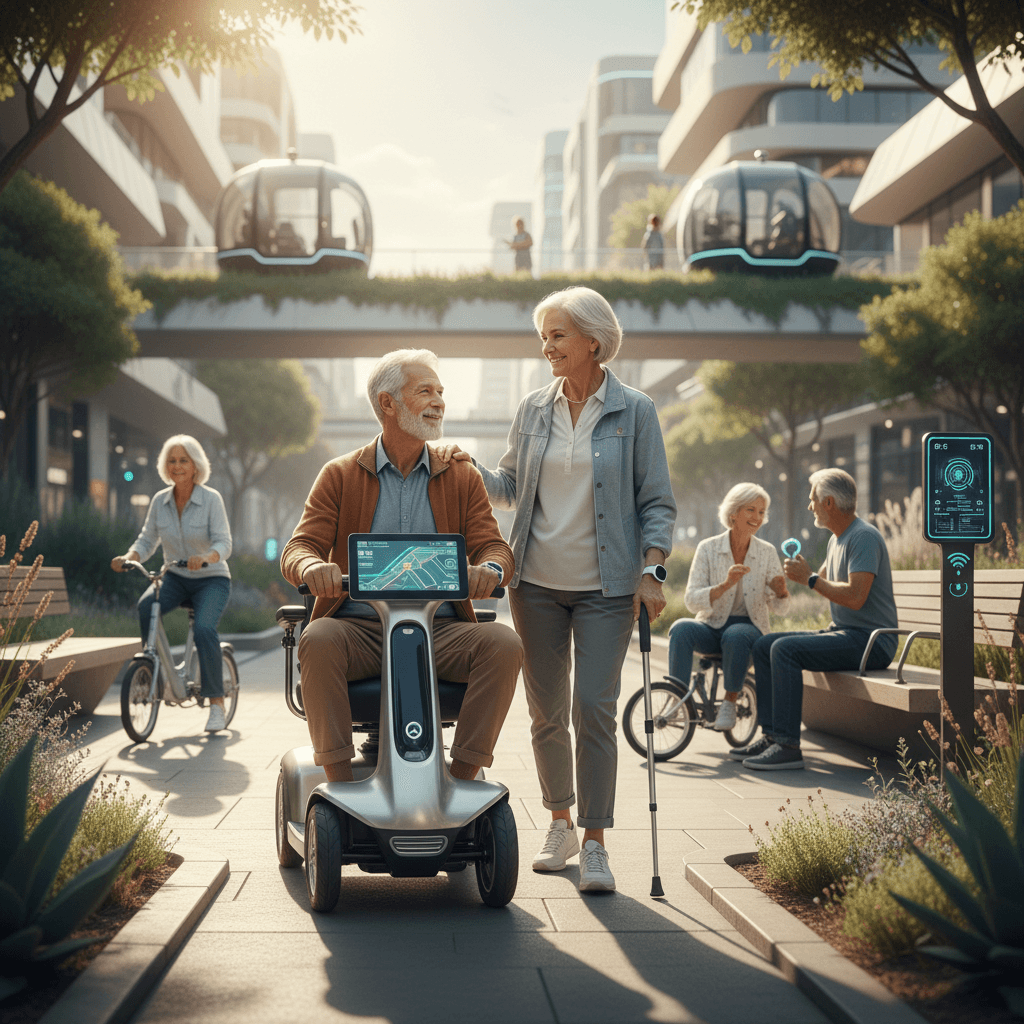
Behind Ruth’s easy tap is a shift that has been building for years: fewer households feel tied to owning a second car, transit has become more responsive, and phones have quietly turned into remote controls for everyday life. Yet many older adults still describe mobility as a patchwork, one day independent, the next day dependent on someone else’s calendar. When stairs, uneven sidewalks, or long bus transfers enter the picture, plans get canceled, opportunities shrink, confidence wears thin. That is why seniors prefer smart mobility in 2025. They want tools that lower friction without demanding a tech degree, and options that honor their rhythm instead of rushing it. The market heard that request. Trip planners now show curb height and bench locations, rideshare apps offer driver preferences and front seat assistance, and lightweight scooters fold with a single pull. The surprising part is not the technology itself, it is the tone: calmer interfaces, larger type, plain language, fewer choices at once. Families, too, appreciate how shared accounts let an adult child see that Mom made it to her pottery class and back. What began as convenience has become continuity, the quiet assurance that getting from here to there will not be the hardest part of the day.
Turning Insight Into Action
Let’s turn the trend into something you can use today. Here are Key Insights Into Smart Mobility for Older Adults, distilled from caregivers, rehab specialists, and seniors who test these tools every week. First, fit matters more than features. Start with what hurts or hesitates: stairs at your building, glare at noon, a weak left knee, a rural address, anxiety after dark. Choose options that answer those realities, such as step free routes, night mode screens, or door to door ride settings. Second, look for layered support. The best services pair a kind interface with real humans by chat or phone, plus simple training videos. Third, safety signals should be quiet but clear: haptic confirmations, audible pickup cues, and shareable trip status. Finally, practice before you need it. Run a dry run to the clinic on a sunny afternoon rather than five minutes before an early appointment. On this page you can tap the comparison buttons to see plans side by side, open the interactive route checker, and skim real user stories to match your situation. Think of it as a short walk through the neighborhood before committing to a longer outing, a friendly way to build confidence step by step.
How It Looks In Real Life
When Mary, 68, and Jorge, 72, decided to downsize, they worried that losing their driveway would also shrink their lives. Instead, a small kit of smart mobility took up a single shelf and opened their week. Mary set a standing Tuesday grocery ride with front step assistance. The app confirms with a soft chime, and the driver already knows to pull close to the ramp. Jorge loves the park at dawn, so he bookmarked a route with wider sidewalks and mapped benches. Now his phone vibrates gently when a safer crossing is ahead. On Thursdays they stack errands: a curb to curb ride to the clinic, then a short hop to the garden center, and finally a bus home that the app recommends because the weather is mild. Their daughter checks a shared timeline, not to supervise, but to stop worrying. The best part is how ordinary it feels. No heroic planning, no long explanations. A folding scooter slips into the trunk when their son visits, and on rainy days a driver helps carry a bag to the stoop. The result is a pattern of small, dependable wins. They see friends more, say yes more, and feel less boxed in by logistics.
Your Next Step Starts Here
If this sounds like the kind of ease you or someone you love has been waiting for, you are not alone. Once people experience a calmer way to get around, they rarely want to give it back, which explains why seniors prefer smart mobility in 2025. It is not about chasing gadgets, it is about reclaiming ordinary days. The path forward is simple: start small, make it yours, and choose support that listens. This page was built to help you do exactly that. Take the 60 second quiz to surface options tailored to your address and routine. Use the buttons to compare services that include driver assistance or door through door help. Open the map to check curb cuts and coverage in your neighborhood, then save a starter trip so it is ready when you are. Read the short success stories to see what clicked for people like you, and what they skipped. You will also find practical checklists, gentle training guides, and introductory offers that remove the risk from trying something new. Key Insights Into Smart Mobility for Older Adults are more than ideas, they are tools you can hold today. The first tap is the hardest. After that, momentum does the work.