After the Impact: What to Do When a Truck Wreck Turns Your Week Upside Down
You don’t expect a normal drive to end with metal groaning, glass ticking onto the pavement, and that stunned silence afterward. Yet for many people, a collision with a commercial truck turns errands into a blur of adrenaline, questions, and aches that show up later. When the tow truck leaves and the shock fades, you’re left wondering what matters most right now and who can actually help you.
Why truck crashes feel so overwhelming
A truck accident rarely behaves like a “regular” fender bender. The sheer size and weight of a tractor-trailer can leave a car looking folded in on itself, and the emotional aftertaste can be just as heavy: the smell of burnt rubber, the flashing hazards, the nagging thought that you did everything right and it still happened. Beyond the scene itself, the aftermath brings a unique kind of complexity. There may be multiple layers of responsibility, a driver, a carrier, a maintenance contractor, a broker, even a loading company. Evidence can be time-sensitive too, from dash cam footage to electronic logging data that can help clarify hours, routes, and rest breaks. Meanwhile, you’re juggling real-life pressures: getting medical care, keeping your job on track, arranging transportation, and answering calls that come when you’re not thinking clearly. Many people start with a simple online search like “truck accident lawyer near me” because it feels immediate and practical, but what they’re really searching for is someone who understands how fast these cases move and how quickly mistakes can cost you. The goal in these early days is not to “win an argument,” it is to protect your recovery, your options, and your peace of mind while the facts are still fresh.
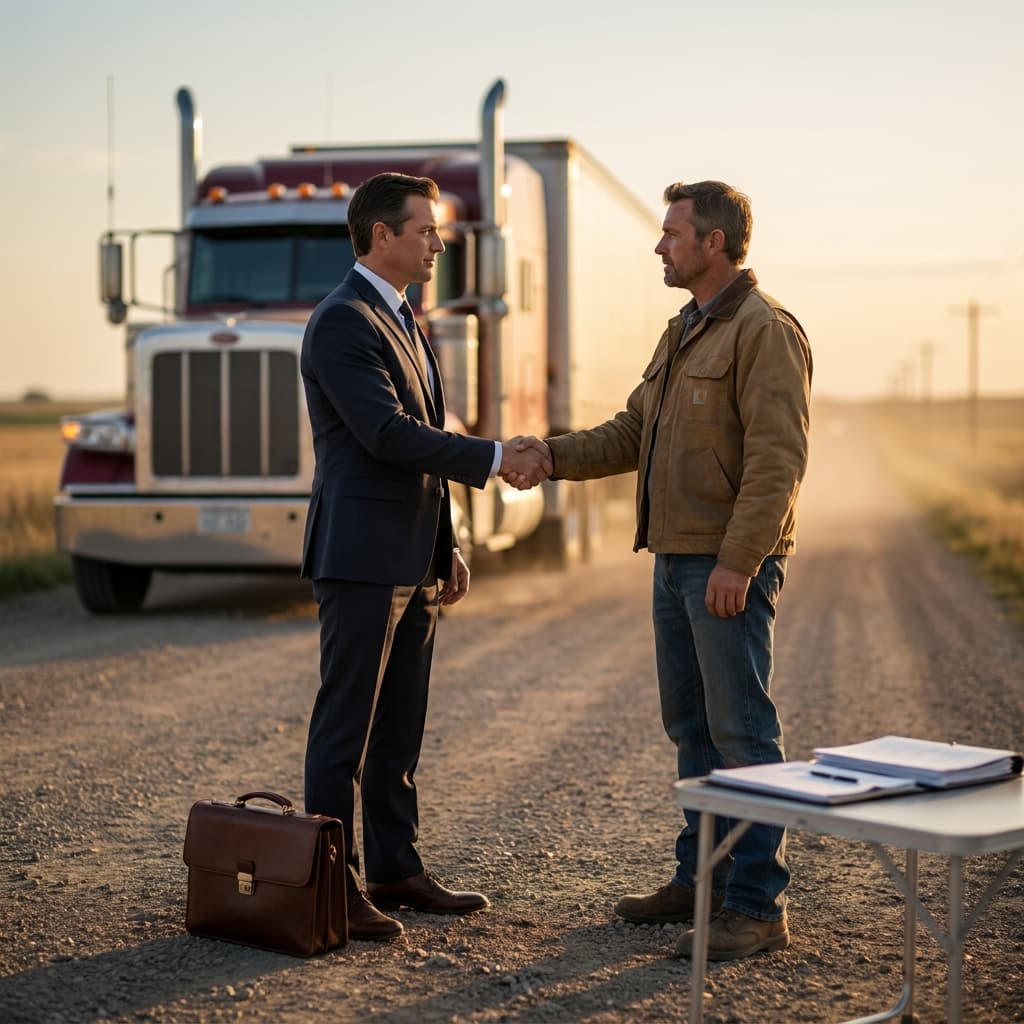
A calm, step-by-step approach that protects you
If you’re navigating the days after a crash, think in terms of stabilizing, documenting, and then deciding. Stabilizing means putting health first: get checked out even if you feel “mostly fine,” follow care instructions, and keep a simple notebook of symptoms that come and go. Documenting means preserving the story while it is still clear: photos of the vehicles, roadway, and visible injuries, names of witnesses, the police report number, and a timeline of what you remember before the impact. Save receipts and records related to towing, rentals, medication, and missed work. Then comes deciding, which is where the right support can change everything. A seasoned attorney can help interpret what the paperwork means, identify who should be contacted and when, and prevent you from being pushed into quick decisions while you’re still in pain or foggy from stress. If you see buttons, checklists, or “see if you qualify” tools on this page, use them as a low-pressure way to learn what your next step could look like. When people type “truck accident lawyer near me,” they often just want a clear path forward. The most helpful path is one that starts with a conversation that makes you feel steady, not rushed, and helps you understand what evidence matters and what timelines you should not miss.
What real progress can look like in the weeks ahead
The best outcomes often begin with small, practical wins that add up. First, you get a plan for care and follow-up, and that alone can reduce the anxiety of wondering whether a stiff neck is “nothing” or something that needs attention. Then you get organized, a folder or digital album where every report, bill, note, and appointment lives. That kind of order is surprisingly powerful because it turns chaos into a narrative: what happened, what it cost you, and what you need to heal. As the picture sharpens, you may also regain control over your time. Instead of spending lunch breaks on hold or replaying the crash at 2 a.m., you can focus on work, family, and recovery while a professional handles the back-and-forth that drains your energy. People are often surprised by how much reassurance comes from simply knowing their questions are welcome: What if my pain started two days later? What if my car was totaled and I need to commute? What if I keep getting calls and I’m not sure what to say? With the right guidance, you can learn which details are worth emphasizing, how to avoid common pitfalls, and how to make choices that support your long-term wellbeing. The search for a “truck accident lawyer near me” is really the search for breathing room, someone to translate the process into plain language and keep the pressure off your shoulders.
Next steps that keep you in control
In the aftermath of a truck crash, the most important thing you can do is move deliberately, not impulsively. Keep your medical care consistent, write down changes in pain or mobility, and save every document even if it seems minor. If you’re unsure about what to do next, take a few minutes to explore the resources on this page, including any quick forms, comparison guides, or local support options designed to help you make sense of your situation. You don’t need to have everything figured out before you reach out for help, you just need to start with the truth of what you’re dealing with. And if your instinct is to look up “truck accident lawyer near me,” let that be the first step toward clarity: a way to understand your options, protect your recovery, and make the next decision from a place of calm rather than shock.