Why SUV Hybrid Cars Are Quietly Becoming the Smartest Daily Driver
It usually happens on an ordinary weekday: you swing into the gas station out of habit, glance at the total, and feel that small, familiar sting. You like the space and confidence of an SUV, but you are tired of paying for it every week. That is where SUV hybrid cars start to feel less like a trend and more like a practical compromise, one that fits school runs, commutes, and weekend errands without the constant guilt trip.
How we got stuck choosing between space and sanity
For years, the story was simple: if you wanted an SUV, you accepted the trade-offs. More room for kids, gear, and groceries often meant more fuel, more stops, and a louder sense that every mile cost a little extra. At the same time, modern life pushed many drivers toward bigger vehicles. Parking lots got tighter, traffic got thicker, and weather seemed less predictable, so people leaned into the higher driving position and the added confidence of an SUV shape. Then the numbers started to matter more. Commutes stretched, delivery runs became routine, and “quick trips” multiplied into dozens of short starts and stops each week. That driving pattern is exactly where conventional engines are least efficient, because they burn fuel to idle at lights, creep through school pickup lines, and warm up for a two-mile run to the store. The surprise for many shoppers is that SUV hybrid cars were built for this reality. They are not only about saving fuel on long highway slogs. They are designed to reclaim energy during braking, reduce waste in slow traffic, and smooth out those constant micro-moments of driving that quietly drain your budget. The old choice between roomy and reasonable is no longer as rigid as it used to be.
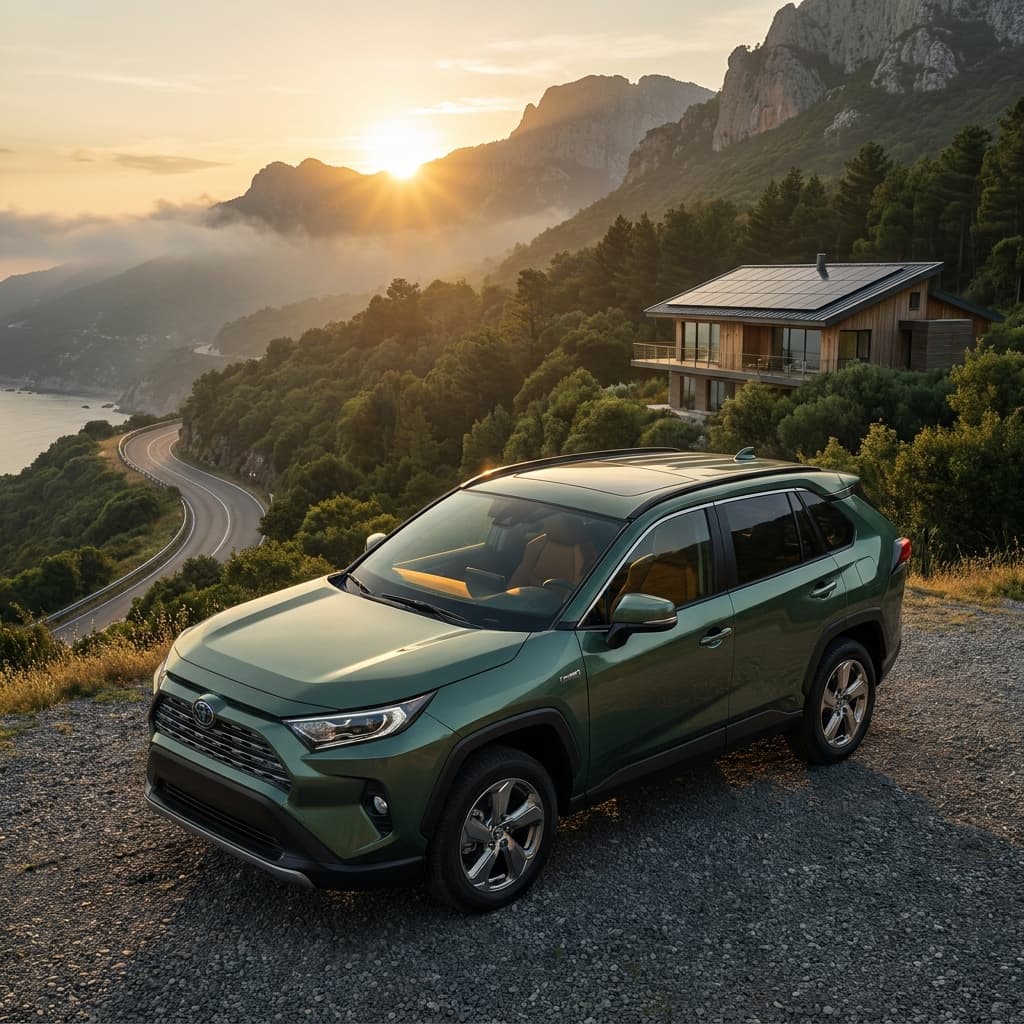
A smarter approach, without turning your life upside down
The most persuasive thing about SUV hybrid cars is how little you have to change to benefit. You still fill up at the same stations, you still pack the same cargo area, and you still drive like yourself. The difference is what happens behind the scenes: the electric motor assists during low-speed acceleration, the engine can shut off when it is not needed, and regenerative braking helps capture energy that would otherwise vanish as heat. In daily terms, that means less engine noise in stop-and-go traffic, smoother roll-offs from a red light, and fewer fuel-hungry moments when your SUV is simply inching forward. When you are comparing options, it helps to zoom out from a single spec sheet and think in scenarios: your commute route, your errands loop, your weekend drive, your parking situation. On many landing pages, the most useful details are tucked into interactive comparisons, trim breakdowns, and cost-of-ownership snapshots. If you see buttons that let you toggle city versus highway estimates, explore drivetrain features, or compare models side by side, it is worth clicking around. Those tools tend to reveal the real story: how a hybrid system behaves in the exact conditions you live in, and which configuration matches your habits rather than someone else’s.
What the upgrade feels like in real life
Picture a rainy morning when the street is crowded and everyone is late. In a conventional SUV, the engine revs, you creep, you brake, you creep again, and the whole experience feels like wasted motion. In an SUV hybrid, the rhythm often feels calmer. The initial nudge forward can be lighter and quieter, the transitions can be smoother, and the cabin can feel less busy even when traffic is not. Over time, those small differences add up in ways you can actually sense: fewer gas station detours, fewer “do we have enough fuel?” calculations before a weekend trip, and a subtle shift in how relaxed you feel while driving. There are also practical wins that are easy to overlook on day one. Because hybrids are built to manage energy more efficiently, many drivers find they can get through heavy urban weeks with less financial whiplash, especially when their routine includes lots of low-speed driving. And the SUV part still matters: the higher seating position that helps visibility, the rear space that swallows strollers or sports bags, the flexibility for spontaneous plans. The best result is not just savings, it is convenience: your vehicle fits your life without demanding constant trade-offs.
How to shop with clarity, not hype
If you are considering SUV hybrid cars, the goal is not to chase a buzzword, it is to match a system to your actual driving. Start by listing your most common trips and where they happen: city streets, suburban loops, highway miles, or a mix. Pay attention to how often you sit in traffic or idle, because hybrids tend to shine there. Next, think about your “must-haves” beyond fuel use: cargo space, driver-assist features, all-wheel drive availability, and comfort details that make a long week easier. Then compare a few models the way you would compare routines, not just prices. Look for clear breakdowns of trims, warranty information, and maintenance expectations, and do not be shy about exploring the page’s calculators or model selectors if they are available, they can surface differences that are hard to notice in a quick scroll. Once you see the numbers and features aligned with your day-to-day, the decision often becomes surprisingly straightforward. A hybrid SUV is not a personality statement, it is a tool, and the right one can make your week feel lighter in all the ways that matter.