The Quiet Upgrade: What Most Homeowners Miss About Solar Panel Installation
The first time you open a power bill that looks more like a car payment, it lands differently. You start noticing the hum of the fridge, the glow of porch lights, the extra load when the laundry runs. A neighbor mentions solar, you nod, but the idea feels big, technical, and expensive. The truth is simpler: solar panel installation is less about gadgets and more about taking control of a monthly story you’re tired of reading.
Why “someday” keeps getting postponed
Most people don’t avoid solar because they hate the idea, they avoid it because the path feels foggy. One contractor says your roof is perfect, another says it’s complicated. You hear about permits, panels, inverters, inspections, incentives, warranties, and suddenly it sounds like a second job. Add a few persistent myths and the decision stalls: that solar only works in blazing sunshine, that your roof must face due south, that you’ll be dealing with constant repairs, or that installation turns your home into a construction zone for weeks. In reality, modern panels perform in a wide range of daylight conditions, and reputable installers can model production using your address, roof pitch, shade patterns, and local weather history. The real problem is that homeowners are asked to make a long-term decision with short-term, scattered information. The stakes feel high because your roof is literally part of your home’s protective shell. You want it done once, done right, with clear numbers and no surprises. When you think of solar panel installation as a sequence of checkpoints rather than one massive leap, the whole idea becomes far less intimidating, and far more practical.
A clearer way to approach solar panel installation
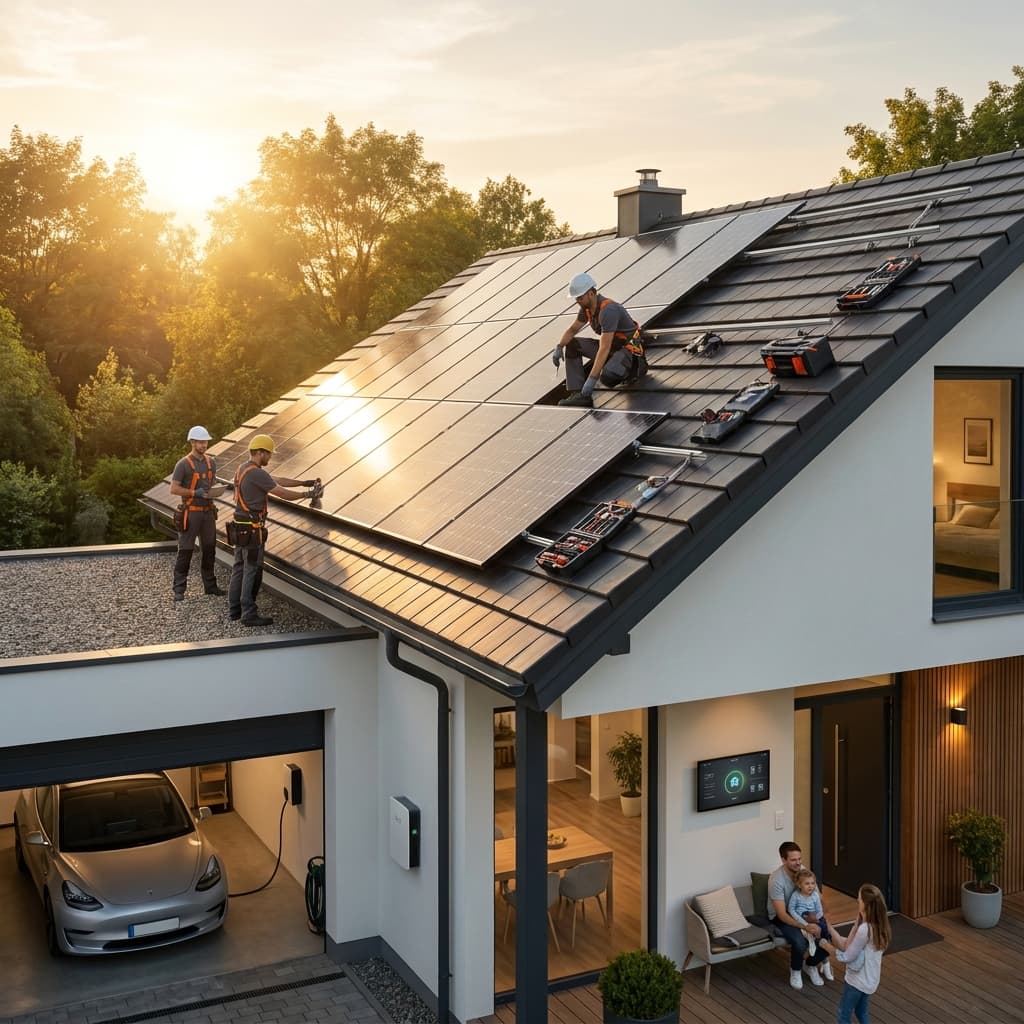
A smart approach starts with a simple question: what does your house need, and what can your roof realistically deliver? Before anyone climbs a ladder, the best installers begin with a remote assessment, then confirm with an on-site visit. They’ll look at roof age, shingle condition, rafters, attic access, and the likely placement of conduit and equipment. They’ll also help you understand system sizing in plain terms: how many kilowatts you’re considering, what that means for annual production, and how it compares to your past usage. Pay attention to the quality of the proposal: it should show an itemized scope of work, equipment brands, monitoring details, and an estimated timeline that includes permitting and utility approvals. This is where it helps to use the page around this article. If there are buttons, calculators, or plan selectors nearby, tap through them. Interactive tools often reveal what a “right-sized” system looks like for your zip code, what typical installation timelines are, and which questions to ask before you sign anything. Think of those on-page resources as your shortcut to clarity: a way to compare options calmly, without pressure, before you invite anyone to quote your home.
What changes after the panels go up
The most surprising benefit isn’t just the potential savings, it’s the feeling of predictability. Instead of bracing for summer rate hikes or a harsh winter bill, you can start treating energy like a managed household resource. With solar monitoring, you get a dashboard view of production and usage, and that visibility tends to change behavior in a good way. You might shift laundry to midday, swap a few bulbs, or finally replace the aging appliance that spikes consumption. The home itself starts to feel upgraded: cleaner rooflines with low-profile racking, neatly routed conduit, and a system that quietly does its work in the background. If your installer offers a workmanship warranty and solid support, you also gain peace of mind that your roof penetrations are sealed correctly and your electrical work is code-compliant. Practical wins show up too: solar can pair nicely with future improvements like heat pumps, smarter thermostats, or even an EV charger when the time is right. Solar panel installation becomes more than a purchase, it becomes a platform, a base layer that makes other home upgrades feel easier, because you’re building them on a more stable energy foundation.
Your next step should feel easy
If you’re still on the fence, that’s normal. The goal isn’t to become an energy expert overnight, it’s to make the next decision smaller and clearer. Start by gathering your last 12 months of electric bills and noting any big changes coming, like a new baby, a home office, or a planned EV. Then explore what’s already on this page: look for estimate tools, eligibility checkers, or guides that break down equipment choices, financing styles, and typical project milestones. The best solar panel installation journeys begin with a calm, informed comparison, not a sales pitch. Once the numbers and the plan make sense, the leap stops feeling like a leap, and starts feeling like a sensible home upgrade you’ll be glad you didn’t keep postponing.