The Quiet Upgrade That Changes Every Drive: Why Your Next Tires Matter More Than You Think
You notice it first in the steering wheel, a faint tremor at 55 mph, then the soft thud of road noise that did not used to be there. Maybe it is the commute, maybe it is the school run, but the car suddenly feels tired in the exact way you do. Most people keep turning up the radio and hoping it passes. Yet one of the simplest resets for comfort and control starts where your vehicle meets the road.
Why tires wear out before we admit it
Tires fail slowly, and that is precisely why they catch smart drivers off guard. Tread disappears a fraction at a time, heat cycles stiffen rubber, and small impacts from potholes or curbs nudge alignment just enough to create uneven wear. You might still have “some tread left,” but the real question is how that tread behaves in the moments that count: the slick on-ramp after a sudden shower, the panic stop when traffic compresses, the long curve where crosswinds push the car sideways. As tires age, the compound hardens, making grip less predictable, especially in cooler mornings or heavy rain. Add underinflation, and the shoulders scrub away faster, while overinflation reduces contact patch and can make the ride skittish. Many drivers also replace two tires at a time to save money, not realizing mismatched tread depth can change braking balance and traction, particularly on front-wheel-drive vehicles where the fronts do more of the work. The result is a car that feels noisy, vague, or “off,” and you might blame suspension, roads, or bad luck. Often, it is simply four tired tires doing their best. Once you recognize that, the next step is less mysterious: treat tires as a system, not individual parts, and you regain the confident, settled feel you remember.
A smarter way to choose, and a better time to buy
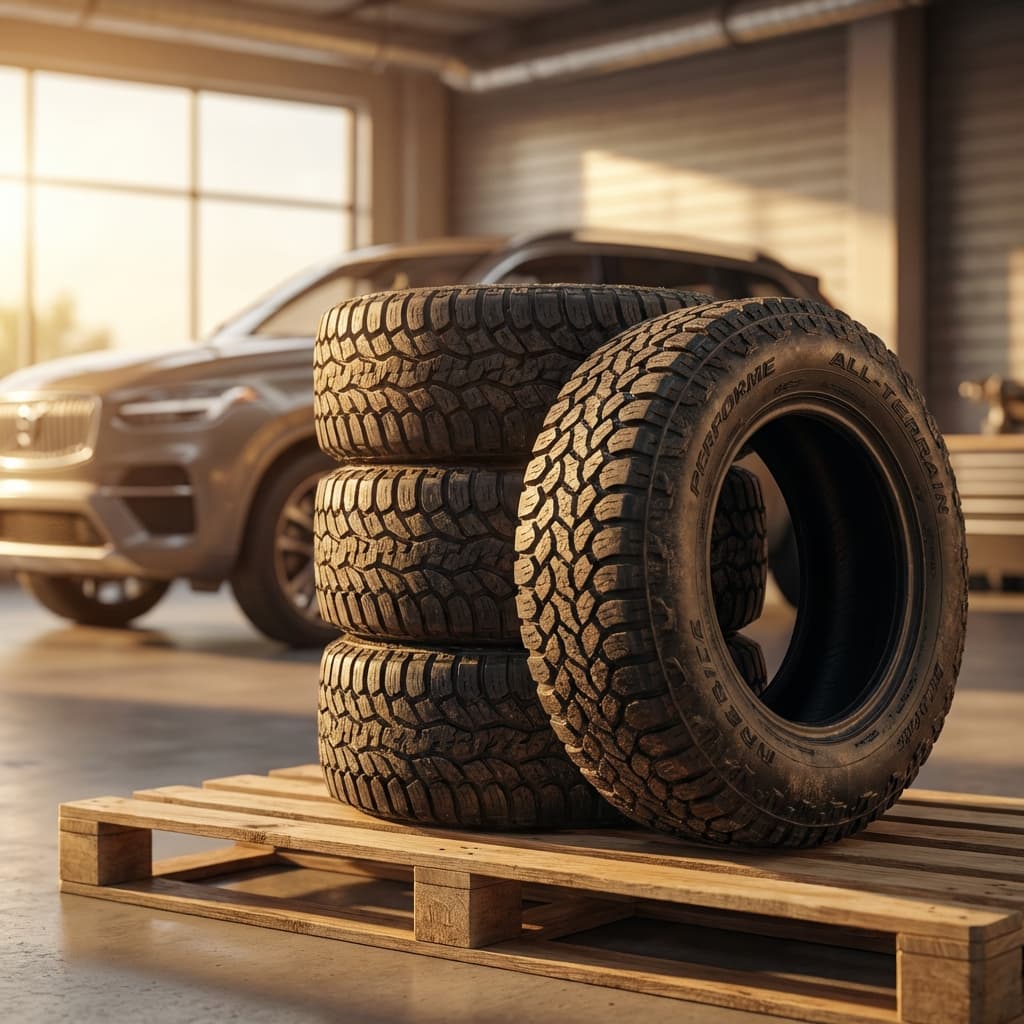
The best tire decision is rarely the fanciest one, it is the one that fits your driving reality. Start with your vehicle’s door-jamb sticker for the correct size and load rating, then decide what you value most: quiet highway comfort, wet braking, long tread life, or all-season versatility. If you see snow, the “three-peak mountain snowflake” symbol on an all-weather tire can be a meaningful upgrade without committing to a full winter setup. Then look at tread pattern and siping, not as marketing, but as clues: more channels and biting edges generally help water evacuation and grip on slush, while a solid center rib often improves straight-line stability and reduces wandering. Most importantly, consider replacing all four at once, because consistent tread depth and matched compounds keep handling predictable. That is why shoppers often hunt for a set of 4 tires on sale, not just for savings, but for balance. If this page has comparison buttons, fitment tools, or deal tiles, it is worth clicking around, those quick filters can surface options that match your climate, mileage, and budget in minutes, and sometimes reveal bundled install perks that are easy to miss.
What changes when the rubber is right
Drivers expect “new tire smell” benefits like better traction, but the biggest surprise is how the entire car seems to relax. The steering centers more cleanly, lane changes feel planted, and that nervous shimmy on rough pavement often fades. On rainy nights, headlights reflect off the road like glass, and you realize you are not gripping the wheel as hard because the car is tracking true. Even braking becomes less dramatic, the pedal feels more linear, the anti-lock system kicks in less, and you stop with room to spare. There are practical wins too: evenly matched tires can reduce uneven suspension strain, and proper pressure improves rolling resistance, which can help fuel economy in a small but steady way over thousands of miles. For families, it is the peace of mind of knowing your first line of safety is not compromised by cracks, bulges, or shallow grooves. For commuters, it is the quiet, the reduced vibration, the sense that the car is working with you instead of against you. If you have ever replaced tires and immediately felt as if you upgraded your whole vehicle, that is not imagination. It is the physics of grip, water evacuation, and stability finally back on your side.
Next steps that make the decision feel easy
If you are on the fence, do a quick reality check today: measure tread depth, inspect sidewalls for cracking, and note whether wear is even across the tire. If it is not, plan for an alignment when you replace them, it is a small add-on that protects a big purchase. Think ahead to your next three months of driving too, rain season, road trips, temperature swings, because tires are one of the few upgrades you feel every single mile. When you are ready, focus on a matched set, compare warranties and traction ratings, and watch for timing that makes sense for your budget. A set of 4 tires on sale can be the moment where “I should” turns into “I did,” without cutting corners. Keep exploring the offers and tools on this page if they are available, you may find the exact size, style, and price point that makes your decision feel obvious, and your next drive feel like a fresh start.