When the Diagnosis Isn’t the Hardest Part: Finding Steady Ground After Mesothelioma
The call usually comes on an ordinary day, between errands and emails, when you least expect your life to split into a before and after. A mesothelioma diagnosis can feel like a sudden storm, questions crashing in from every direction: treatment, work, family, and the quiet panic of “How did this happen?” In that first foggy week, many people also realize they need clear, practical mesothelioma legal advice, even if they are not ready to talk about lawsuits yet.
Why so many families feel blindsided
Mesothelioma has a cruel way of arriving late, sometimes decades after the exposure that caused it. That time gap is exactly why families feel blindsided. A retired mechanic remembers the gritty dust on his sleeves, a Navy veteran recalls cutting insulation in tight engine rooms, a daughter thinks about the way her dad used to shake out his work clothes at the back door. None of it felt dangerous in the moment. Companies changed names, job sites closed, coworkers scattered, and the paper trail that could explain what happened seems to evaporate. Then the practical realities land. Appointments stack up, travel and lodging costs appear, and someone has to handle the insurance calls that never end. At the same time, friends start offering advice that is well-meaning but confusing: “You should file something,” “You might have a case,” “Don’t sign anything.” The truth is, there are time limits and documentation details that matter, and they vary by location and circumstance. That is why mesothelioma legal advice is less about drama and more about clarity: understanding options, protecting your family’s rights, and avoiding mistakes made under pressure. Even if you never take formal action, learning what questions to ask can restore a small, steady sense of control.
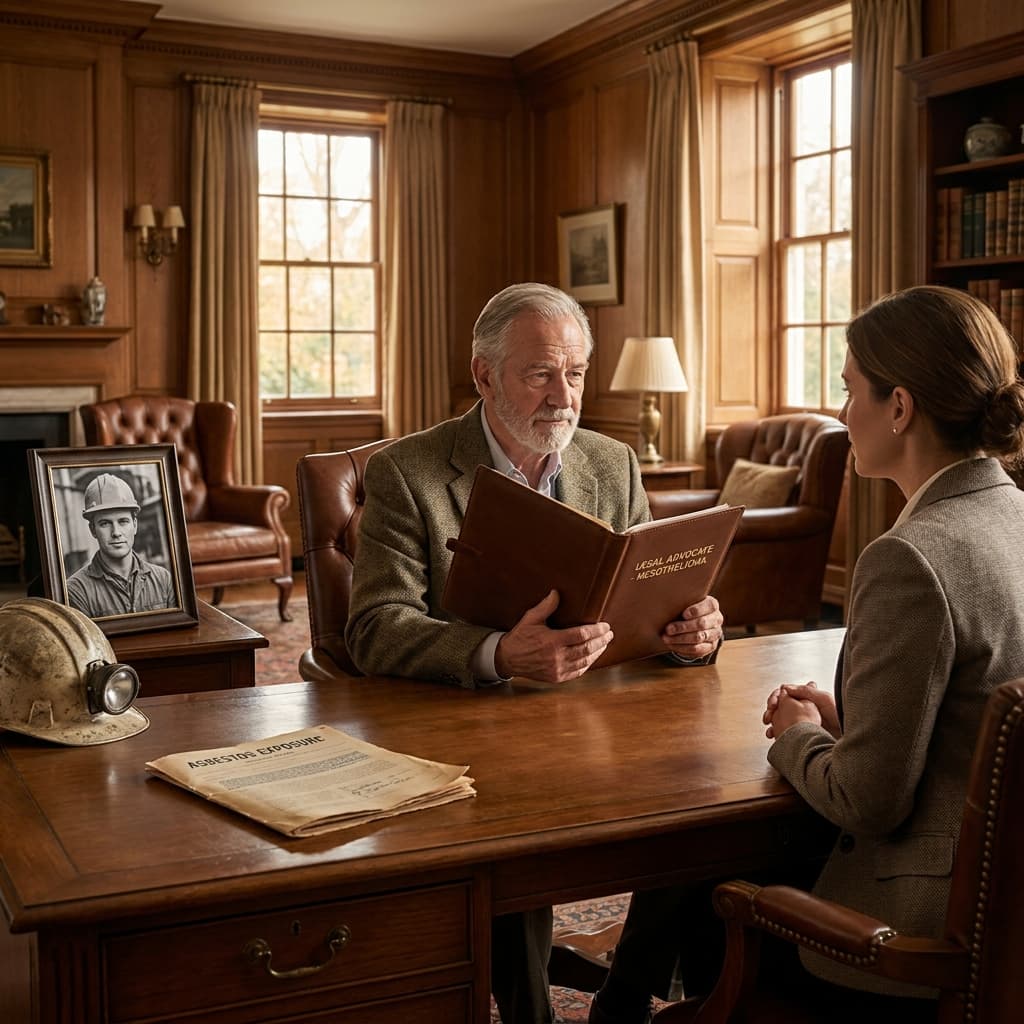
A calmer, step-by-step approach to legal questions
The most helpful approach is the one that reduces cognitive load, because you already have enough to carry. Start by gathering a simple exposure timeline: the places you lived, the jobs you held, the years, and any memorable materials you worked around, like insulation, floor tiles, pipe wrap, brake pads, or industrial gaskets. Do not worry about being perfect. A rough sketch often unlocks better recall later. Next, organize medical basics in one folder: pathology reports, diagnosis date, treating physicians, and current treatment plan. These documents are not just for hospitals, they can be essential when you request mesothelioma legal advice. From there, think of an initial consultation as an interview rather than a commitment. The right guidance should sound like plain English, not pressure. Ask how fees work, what compensation routes may exist, and what information they need from you versus what they can investigate. Also ask who will actually handle your case day to day. Many people find it helpful to explore the page’s on-site resources, like checklists, short explainer modules, or quick “next step” buttons, because they can turn a vague worry into a concrete plan you can share with your spouse or adult children. When you are dealing with a serious illness, the best mesothelioma legal advice supports your treatment priorities, not the other way around.
What real support can look like in everyday life
Good legal support is often invisible at first, because its benefits show up as fewer disruptions. Imagine being able to focus on a morning infusion without spending lunch breaks on hold. Picture a folder that actually makes sense: travel receipts, insurance statements, and employment history in one place, so your family is not hunting for paperwork during an already exhausting season. In many cases, careful guidance can help people pursue compensation that offsets practical burdens, things like treatment-related travel, home care help, or the income gap created when someone has to stop working or reduce hours. Just as important, a thoughtful process can bring emotional relief. Families often carry a quiet anger, not just about the disease, but about the feeling that it was avoidable. While no legal path rewrites the past, having accurate mesothelioma legal advice can replace spiraling “what ifs” with a realistic map: what can be pursued, what is likely, what is optional, and what is not worth your energy. The best outcomes are not only financial. They are also logistical: fewer surprises, clearer boundaries, and a plan that respects the patient’s time, fatigue levels, and desire for privacy. That kind of steadiness is a resource in itself.
A next step you can take without feeling pushed
If you are reading this while juggling scans, second opinions, and the daily work of staying hopeful, let this be the takeaway: you do not have to solve everything at once. Start with one small action, write down key dates, save your medical documents, and list the workplaces or products that might have involved asbestos exposure. Then, when you are ready, seek mesothelioma legal advice that feels patient, transparent, and aligned with your family’s priorities. There is often more help available than people realize, and much of it begins with simple education. Use the tools and links around this page to dig deeper at your own pace, whether that is a question list for a consultation, a guide to organizing records, or a quick overview of common routes people explore. The goal is not to rush you into a decision. It is to help you move forward with fewer unknowns, so you can spend more of your energy where it belongs: on care, on comfort, and on the people you love.