The Moment the Mirror Changes: What to Know Before You Try Laser Treatment for Acne Removal
If you have ever leaned toward the mirror under harsh bathroom light, you know the quiet math you do in your head: cover it with concealer, cancel plans, or pretend you do not care. Acne is not just a skin issue, it is a daily negotiation with confidence. For many, the breaking point arrives after yet another “miracle” cleanser disappoints, and curiosity shifts toward something more clinical: laser treatment for acne removal.
Why acne can feel stubborn even when you do everything right
Acne has a way of turning good habits into frustration. You can change pillowcases, avoid greasy foods, drink more water, and still wake up to a tender, swollen bump that seems to have appeared overnight. Part of the problem is that acne is not one single condition, it is a messy mix of clogged pores, excess oil, inflammation, and bacteria, all influenced by hormones, stress, sweat, and even certain cosmetics. That is why the same routine that works for a friend can make you feel like you are losing your mind. Over time, the real cost is not only breakouts, it is the lingering aftermath: dark marks that hang around for months, uneven texture, and scars that catch the light at certain angles. Many people cycle through over-the-counter products, then stronger prescriptions, only to hit a plateau where progress slows and side effects pile up. Dryness, irritation, or sensitivity can make daily skincare feel like walking a tightrope. In that context, it makes sense that people start looking for options that target acne at a deeper level, not just at the surface. This is where professional procedures enter the conversation, including laser treatment for acne removal, which is often discussed alongside chemical peels, microneedling, and dermatologist-guided regimens.
How laser-based care fits into a smarter acne game plan
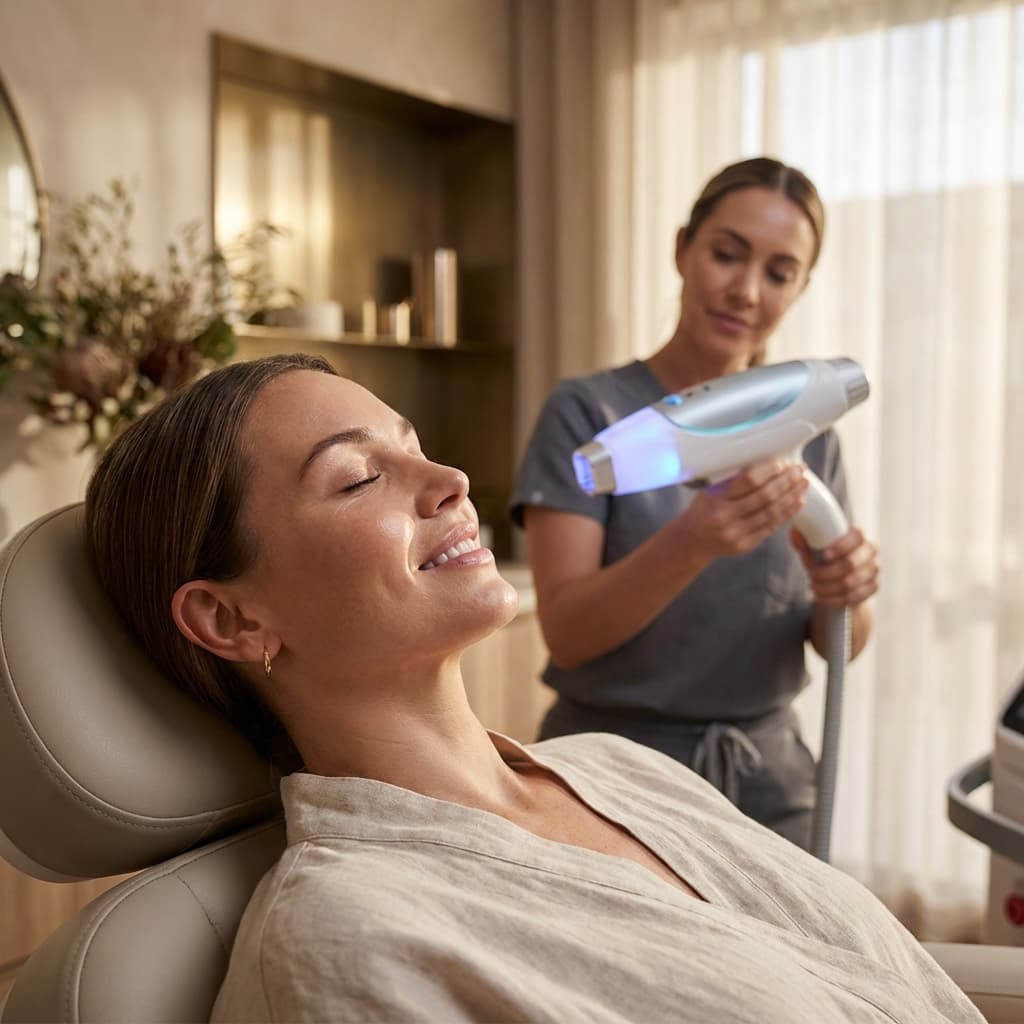
Laser treatment for acne removal is not magic, but it can be a strategic tool when used for the right person, at the right time, with the right expectations. In simple terms, certain laser and light-based treatments aim to reduce acne by calming inflammation, decreasing oil gland activity, and targeting acne-causing bacteria. Other laser approaches focus more on the “after” of acne, helping improve the appearance of scars and uneven texture by stimulating collagen remodeling. The key is that these are not one-size-fits-all, the device type, settings, and treatment schedule matter. A reputable clinic typically starts with a consultation that looks at your acne type, skin tone, sensitivity, current products, and any medications. You might be advised to pause certain active ingredients beforehand, or to adjust your routine to protect your skin barrier. During treatment, you may feel brief heat, snapping sensations, or warmth, followed by temporary redness. Results often build gradually over a series, and many people still use topical or oral therapies in parallel. If this page has buttons, checklists, or a “see if you qualify” style tool, it can be worth exploring them. Not as a commitment, but as a way to compare options, understand typical timelines, and spot questions to ask a provider, like expected downtime, pain management, and how they tailor laser settings for your skin.
What progress can look like in real life, not just in photos
The best kind of skincare progress is the kind you notice when you stop obsessing. It might start with fewer “angry” flare-ups along the jawline, or a calmer forehead that no longer feels bumpy under your fingertips. People who pursue laser treatment for acne removal often describe a shift that is as practical as it is emotional: makeup sits smoother, getting ready takes less time, and they are not constantly scanning for the next breakout in every reflection. There are also benefits that show up in the details. When inflammation quiets down, the skin barrier can recover, which makes it easier to tolerate a simple routine: gentle cleanser, moisturizer, sunscreen, and targeted actives chosen carefully. For those dealing with post-acne marks, certain light and laser modalities may help the complexion look more even over time, especially when paired with diligent sun protection. And for texture or scarring concerns, collagen-focused treatments can support a gradual softening of sharp edges and shallow pits, though expectations should stay realistic because scars often improve, rather than vanish. The most helpful mindset is to view laser sessions as part of a long-term plan. Consistency, aftercare, and an honest conversation about triggers like stress, sleep, or workout sweat can make the difference between a short-lived boost and a lasting change.
A calm next step that keeps you in control
If acne has been running your schedule, it is understandable to want a solution that feels decisive. Laser treatment for acne removal can be that next chapter for some people, especially when breakouts are persistent, when marks linger, or when scarring has started to affect confidence. Still, the strongest outcomes tend to come from a balanced approach: professional guidance, a routine that supports your skin barrier, and patience for gradual improvement. Before you decide, gather a few specifics. Ask what type of device is used, how many sessions are commonly recommended, what side effects are typical for your skin type, and what you should do at home between visits. If there are resources on this page, like a cost guide, treatment comparison chart, or a short questionnaire, explore them. They can help you walk into a consultation with clearer priorities and better questions. The goal is not to chase perfection, it is to make your skin feel predictable again, so the mirror becomes just a mirror.