Before the First Nail: The Quiet Decisions That Make House Construction Feel Easy
It usually starts innocently: a slow drive past a new neighborhood, sunlight flashing on fresh windows, the smell of cut lumber lingering in the air. You imagine your own front porch, your own mudroom, your own kitchen that finally fits the way you live. Then the questions arrive fast: Where do you begin, who can you trust, and how do you avoid the horror stories? House construction can feel like stepping into fog, but the right early choices can make the whole journey surprisingly clear.
Why So Many Builds Go Sideways Before They Even Start
Most people think the stressful part of house construction begins when the excavator shows up, but the real trouble often starts earlier, in the quiet paperwork and casual conversations where assumptions get baked into the project. A friend says, “We’ll upgrade later,” without realizing the rough-in for plumbing was never planned. A couple falls in love with a floor plan online, then discovers their lot slope demands a different foundation and a different budget. Even well-meaning builders can struggle when homeowners do not know which questions to ask: what exactly is included in the base price, how allowances work, who chooses subcontractors, what timelines are realistic in a world of weather delays and back-ordered materials. The result is a familiar pattern: a build that begins with excitement and ends with tense phone calls, change orders, and that gnawing feeling of being rushed into decisions. The background reality is simple, but easy to miss. House construction is not one decision, it is a chain of decisions, and the first links determine the strength of everything that follows. When the chain is weak, you feel it later in squeaky floors, drafts that never quite disappear, and budgets that keep “mysteriously” stretching.
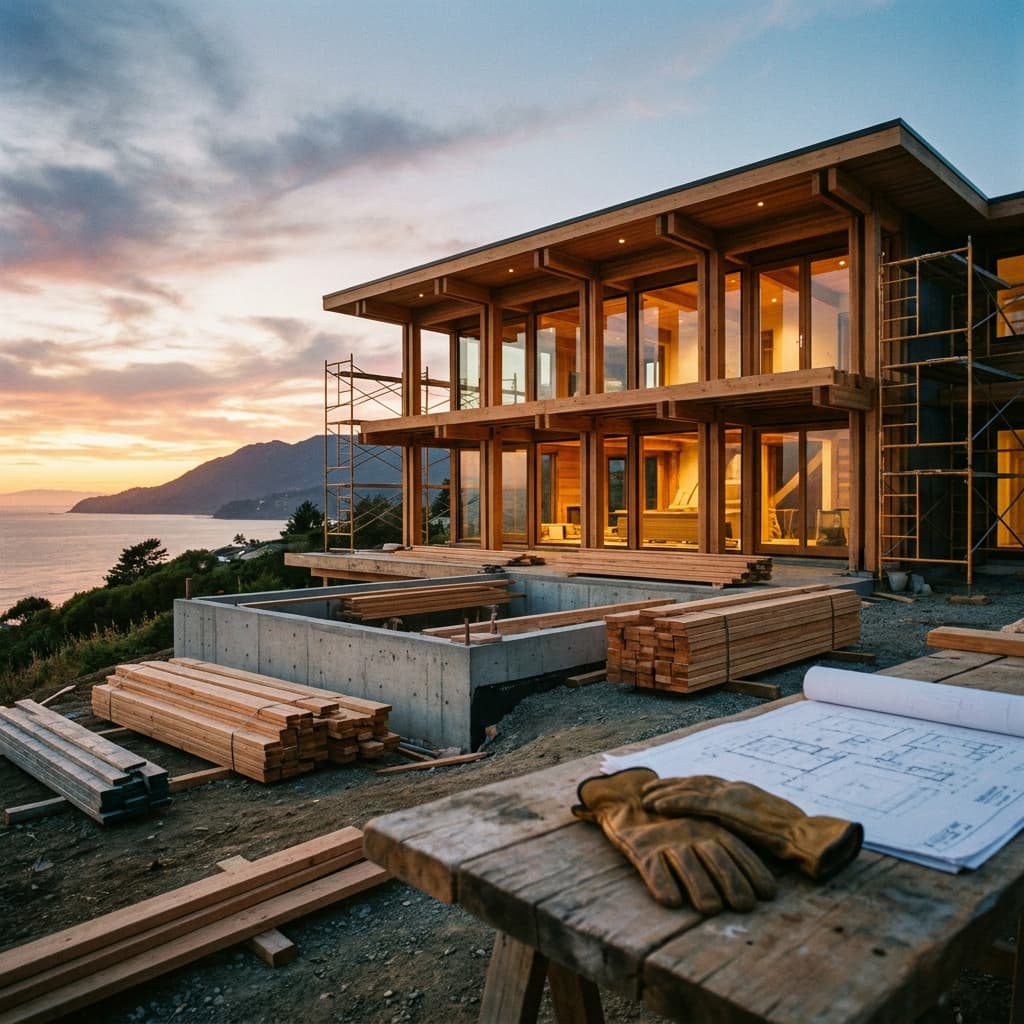
The Approach That Keeps You Calm: Clarity, Then Commitments
A smoother build comes from treating the early phase like an investigation, not a romance. Start with clarity: define your non-negotiables, your “nice-to-haves,” and the life you want the house to support five years from now. Then translate that into commitments, in writing. Ask for a detailed scope of work, not a vague promise of “quality finishes.” Request line-item allowances that match the kind of tile, fixtures, and cabinetry you actually want, because an unrealistic allowance is just a future argument with a price tag attached. In house construction, the best builders are rarely the ones with the flashiest photos, they are the ones who explain their process without defensiveness and welcome your questions about scheduling, warranties, and inspections. If this page has checklists, calculators, or comparison buttons, use them as a shortcut to organize your thoughts, especially when you are weighing bids that look similar at first glance. The goal is not to drown in details, it is to surface the few details that control everything: foundation choice, framing quality, insulation strategy, window specs, and mechanical systems. When those are decided intentionally, the rest of the selections feel like decorating, not damage control.
What “Good” Looks Like When the Dust Finally Settles
Picture the day you walk in after the trades have cleared out, and the house is quiet for the first time. Good house construction has a certain feel, even before you notice the finishes. Doors latch cleanly. The air does not smell damp or trapped. The floors feel solid underfoot, not bouncy. In winter, you do not hunt for the one warm corner, and in summer, the upstairs does not become a different climate. Those comforts come from invisible decisions: proper air sealing, insulation installed carefully instead of quickly, a right-sized HVAC design, and windows that match the orientation of the home. Practical benefits show up in your routine, too. A well-planned laundry path means fewer piles. Thoughtful storage keeps counters clear. A covered entry and a real mudroom save your floors during rainy weeks. Even resale becomes less stressful because documentation exists: warranties, inspection reports, and a clear record of what was installed and why. When you invest in the structure and systems, you buy back time and peace. Suddenly the house is not a project that follows you around, it is a place that supports you quietly, day after day, the way you hoped it would when you first slowed down on that Saturday drive.
Your Next Step: Make the Build Feel Predictable
If house construction has been living in your head as a giant, expensive unknown, zoom back in on the parts you can control. Choose a builder or team that communicates in specifics, align your budget with real-world selections, and keep a simple paper trail for every decision. Spend more energy on planning than on panic, because planning is the only phase where time is truly on your side. As you look around this page, you may notice resources that make those early steps easier, such as questions to ask, timelines to expect, and ways to compare options without second-guessing yourself. Explore them at your own pace. The goal is not to rush you toward a contract, it is to help you step into your build with your eyes open, your priorities clear, and your confidence intact. When the first nail finally goes in, you will know exactly why it is there, and what comes next.