The Quiet Shift: Why Electric Vehicles Are Suddenly the Most Practical Upgrade
The first time you notice it, it is almost unsettling: the usual growl at the stoplight is gone, replaced by a calm hum and the sound of tires on pavement. Maybe you are running late, coffee in hand, thinking about rising fuel prices, or the next repair you cannot quite budget for. That is exactly when electric vehicles stop feeling like a futuristic idea and start feeling like a practical question.
Why the old math of car ownership is breaking
For years, most of us accepted a certain rhythm with our cars: oil changes that appear right when money feels tight, mysterious dashboard lights, and the slow drip of fuel costs that never seems to stop. The problem is not just that everything is getting more expensive, it is that the traditional gasoline ownership model hides its true price in dozens of small, recurring hits. One month it is a new set of filters. The next it is a belt, a sensor, or a repair that starts with a polite estimate and ends with a wince. Add in unpredictable swings at the pump, and planning becomes a guessing game. That is the backdrop for the sudden surge of interest in electric vehicles. What changed is not only the technology, it is the context. More people commute farther, families juggle school runs and errands, and delivery traffic has made city driving feel like a stop-and-go marathon. In that environment, efficiency matters, but so does reliability. Drivers are also paying more attention to resale value, warranty coverage, and the way a vehicle fits into a household that runs on phones, apps, and constant connectivity. EVs did not create these pressures, they simply arrived at the moment when drivers started demanding a cleaner, calmer, and more predictable ownership experience.
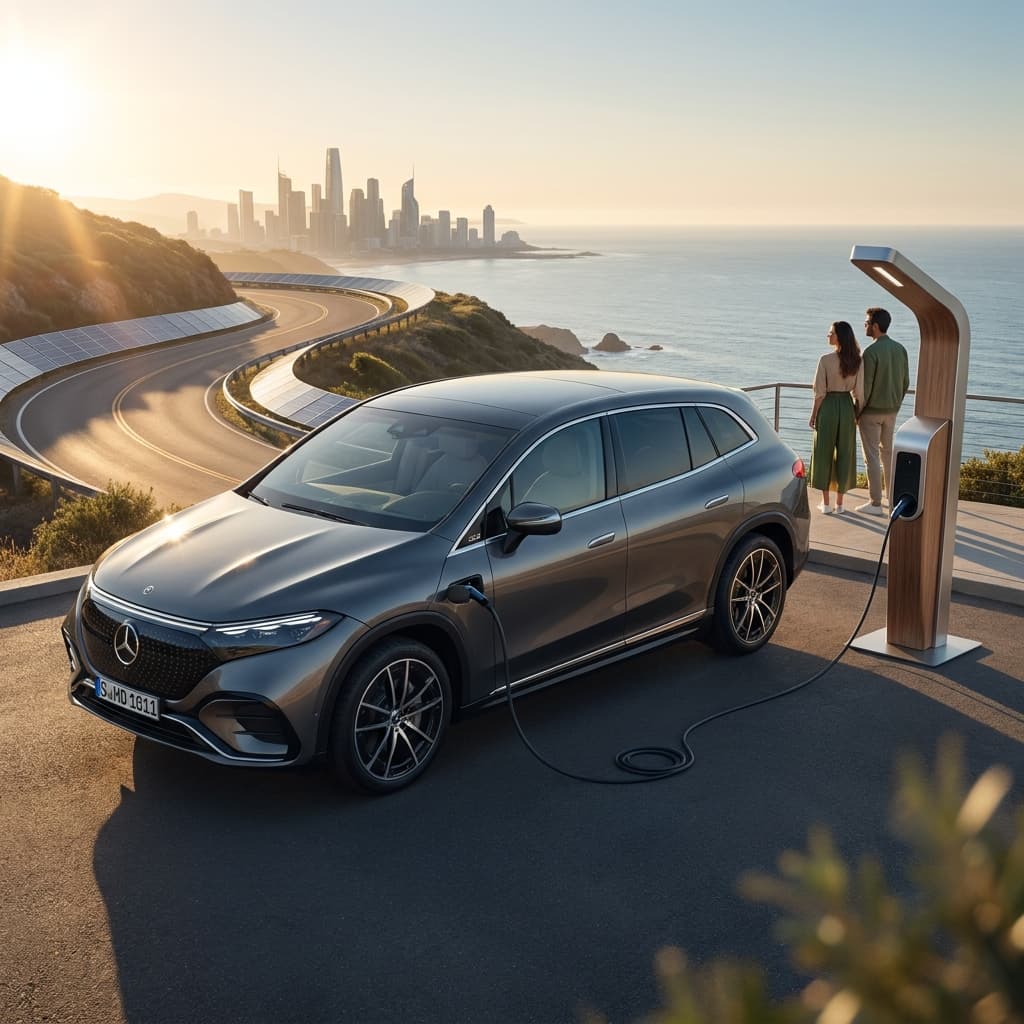
The new playbook: how to evaluate an EV like a pro
If you are curious about electric vehicles, the smartest move is to replace vague hype with a simple, practical checklist. Start with your real driving week, not your most extreme road trip fantasy. How many miles do you actually drive between home, work, and the usual errands? That number, paired with your access to charging, tells you more than any commercial. Home charging is the secret ingredient for many owners, because waking up to a full battery feels less like “fueling” and more like starting the day with your phone already charged. Next, compare total cost of ownership, not just sticker price. EVs often reduce routine maintenance because there is no oil to change and fewer moving parts subject to wear. Then look at charging options: local public chargers, workplace stations, and the speeds available on common routes. This is where exploring the page around this article can be genuinely useful. Many landing pages include quick range finders, cost calculators, or side-by-side comparisons that help you map your habits to the right model and charging plan. Click through those resources with a skeptical, curious mindset, and you will quickly see which numbers hold up for your life. Finally, test drive with intention. Pay attention to how it feels in traffic, how smoothly it accelerates onto a highway, and how quiet the cabin becomes when the engine noise disappears. A good evaluation is less about being impressed, and more about noticing how effortlessly the vehicle fits you.
What ownership can feel like when the noise drops away
Picture a typical Thursday: you leave the house early, the air still cool, and instead of detouring to a gas station you simply go. The steering feels light, the cabin is calm, and the car responds instantly when you merge. For many drivers, the biggest benefit of electric vehicles is not a single headline feature, it is the way small frictions fade. There is less of that lingering worry about the next maintenance appointment, fewer surprise errands to “top off,” and a surprising sense of control over your weekly budget when charging becomes a predictable line item. EV ownership can also change how you think about short trips. Regenerative braking makes stop-and-go driving feel smoother, and the quiet can make conversations easier, music clearer, and the drive itself less tiring. For households, that adds up. One parent can do the school run while another handles errands, and nobody is coordinating who needs gas first. And for anyone who keeps a vehicle for years, the idea of fewer routine service visits can be a relief, not because it is flashy, but because it returns time. These are the benefits you can actually feel: calmer commutes, fewer interruptions, and a vehicle that behaves more like a reliable appliance than a finicky machine.
Your next step is simpler than you think
Electric vehicles are no longer a debate about the distant future, they are a practical decision point for people who want less volatility in their driving life. The best approach is to get specific: your mileage, your charging access, your budget, and the features you care about most. If you are already on a page that offers tools, model guides, or personalized estimates, it is worth exploring them now, because the details tend to reveal a clear front-runner faster than you expect. Once you see the numbers and imagine your week without the constant pump-and-repair routine, the “maybe someday” question often turns into a confident plan.