The Calm Skin Playbook: Choosing Eczema Creams That Actually Soothe
You wake up and your skin tells the story before you open your eyes: tight, itchy, tender in the places your sheets brushed all night. You want a calm morning, not a hunt through half-used tubs that promised relief and delivered stinging. If that sounds familiar, you are not alone. This guide is your quiet shortcut to clarity, crafted for sensitive skin, and focused on practical steps that bring steady comfort.
Why Relief Is Harder Than It Looks
Finding relief is tricky because eczema is not one thing, it is a pattern of barrier weakness, inflammation, and triggers that change with weather, stress, and products. Many people reach for thick balms in winter, then feel greasy and overheated by spring. Others try light lotions with floral fragrance, only to sting on contact. Ingredient labels read like chemistry sets, and marketing terms like hypoallergenic are not regulated in the way most expect. Textures matter, too: ointments lock in water best, creams balance oil and humectants, lotions vanish fast but may leave you dry. Water itself can dehydrate skin if you do not seal it in quickly. No wonder a late-night search for eczema creams & treatments for sensitive skin en delivers a maze of options. Add myths like scrubbing flakes away, or blasting hot showers to stop the itch, and setbacks make sense. Even good products fail when used at the wrong time or in the wrong order. Understanding this context turns guesswork into a plan, and it starts with knowing your triggers, reading labels like a detective, and matching texture to climate and routine. Pay attention to pH as well, since slightly acidic formulas support the barrier, while harsh surfactants can quietly unravel it over time.
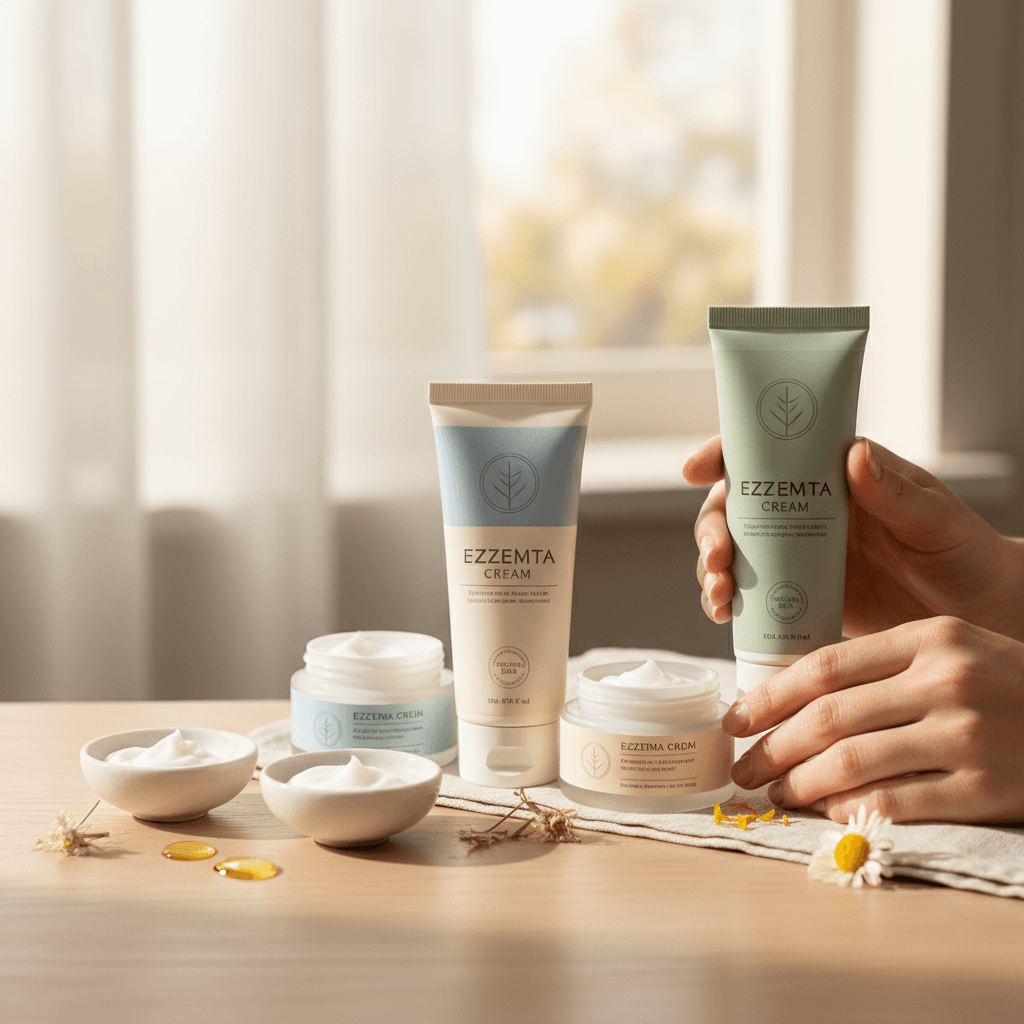
A Simple Method to Find Your Match
Here is a simple, calmer way to choose. Start with the core needs: replenish water, repair the barrier, then seal. After cleansing with a gentle, fragrance-free wash, pat damp, not bone dry. Layer a humectant like glycerin or hyaluronic acid, then a ceramide-rich cream, and finish with an occlusive such as petrolatum on the driest patches. Look for colloidal oatmeal, shea butter, and niacinamide, and skip essential oils and drying alcohols. For flares, ask your clinician about appropriate steroid strength or non-steroidal options, and always patch test on the inner arm for two days. If you like structure, tap the buttons on this page to compare labels side by side, filter by texture, and see routines mapped to climates and schedules. Our quick guide, How to Choose the Right Eczema Cream for You, breaks down ingredient lists into plain language so you can spot keepers at a glance. If you are still overwhelmed by the variety of eczema creams & treatments for sensitive skin en, open the interactive ingredient checker and save your favorites. Keep a two-week log, morning and night, noting itch level, sting on application, and visible scaliness, then adjust one variable at a time. Consistent, small tweaks beat big overhauls that confuse your skin.
Imagine Daily Life Without the Itch
Picture your morning three weeks from now. The shower is lukewarm, not scalding, and you step out without dread. You press a soft towel, not rub. The humectant layer disappears cleanly, the cream glides without sting, and a thin occlusive seals like a comfortable jacket rather than a heavy coat. Sleeves no longer drag across angry patches during your commute. Nia, a teacher who once kept bandages in her pocket, swapped a floral lotion for a ceramide-rich cream and used cotton gloves at night. Her whiteboard no longer dusts her knuckles with chalk and flakes. Marcus, a cyclist, learned to rinse sweat fast, then reapply a light cream before sealing the driest spots with petrolatum. Weekend rides stopped ending in scratch marks. These are not miracles, they are the predictable results of matching texture, ingredients, and timing to your life. Practical details matter, like buying a travel-sized tube for your bag while keeping a jar at home, or setting a phone reminder for your evening routine. When itch settles down, sleep improves, patience returns, and tiny choices like choosing cotton over wool start to stick because they feel worth it. Over time, you notice fewer surprise flares and more days that feel comfortably ordinary.
Your Next Calm Step
Comfort grows from small, repeatable choices, not from chasing the next miracle jar. Now that you understand the pattern behind irritation, you can evaluate shelves and search results with calm, curious eyes. Start where you are, pick one product that aligns with your goals, and give it a fair test. To make that easier, explore the comparison charts, routines, and ingredient filters on this page. Try the texture finder, scan a few labels with the interactive checker, and bookmark a routine that fits your morning and night. If you want a friendly reference, open How to Choose the Right Eczema Cream for You and keep it handy while you shop. If something stings or a rash spreads, stop and consult a clinician, especially for infants or severe flares. Patch testing is your safety net, and photographs help you track progress honestly. When you are ready, collect a sample routine, add a couple of promising products to your shortlist, and set a reminder to review your notes in two weeks. You will not need everything here, but you may find the one or two tools that make all the difference with ease.