The Quiet Checklist That Leads You to the Best Budget Smartphones Without Regrets
It usually happens on a normal day, a cracked screen that finally gives up, a battery that drops from 40 percent to zero on the commute, or a camera that suddenly refuses to focus. You start browsing, confident you will “just grab something affordable,” then the options blur together. The good news is that finding the best budget smartphones is less about luck and more about knowing what to look for before you click anything.
Why “cheap” feels risky, and why it does not have to
Budget shopping carries a particular anxiety because phones are personal tools, not just gadgets. They wake you up, hold your photos, map your weekends, and keep you reachable when plans change. So when a price looks too good, your mind supplies the worst case scenario: laggy performance, dim screens, weak reception, or a device abandoned by updates six months later. What complicates it is that the market moved fast. Features that used to sit behind premium price tags, like high refresh rate displays, multi-lens cameras, fast charging, and 5G support, have trickled down. Meanwhile, brand names alone no longer tell the story. Some manufacturers overdeliver on hardware but cut corners on software support, others tune their cameras brilliantly but ship with limited storage, and a few bury the real cost in accessories, warranties, or carrier terms. The result is decision fatigue, not because there are no good options, but because the “right” phone depends on your daily habits. If you stream on the train, screen brightness matters. If you juggle work apps and family group chats, memory and storage become your stress points. The best budget smartphones are the ones that feel calm to live with, day after day, even when you push them.
The simple approach that filters the noise fast
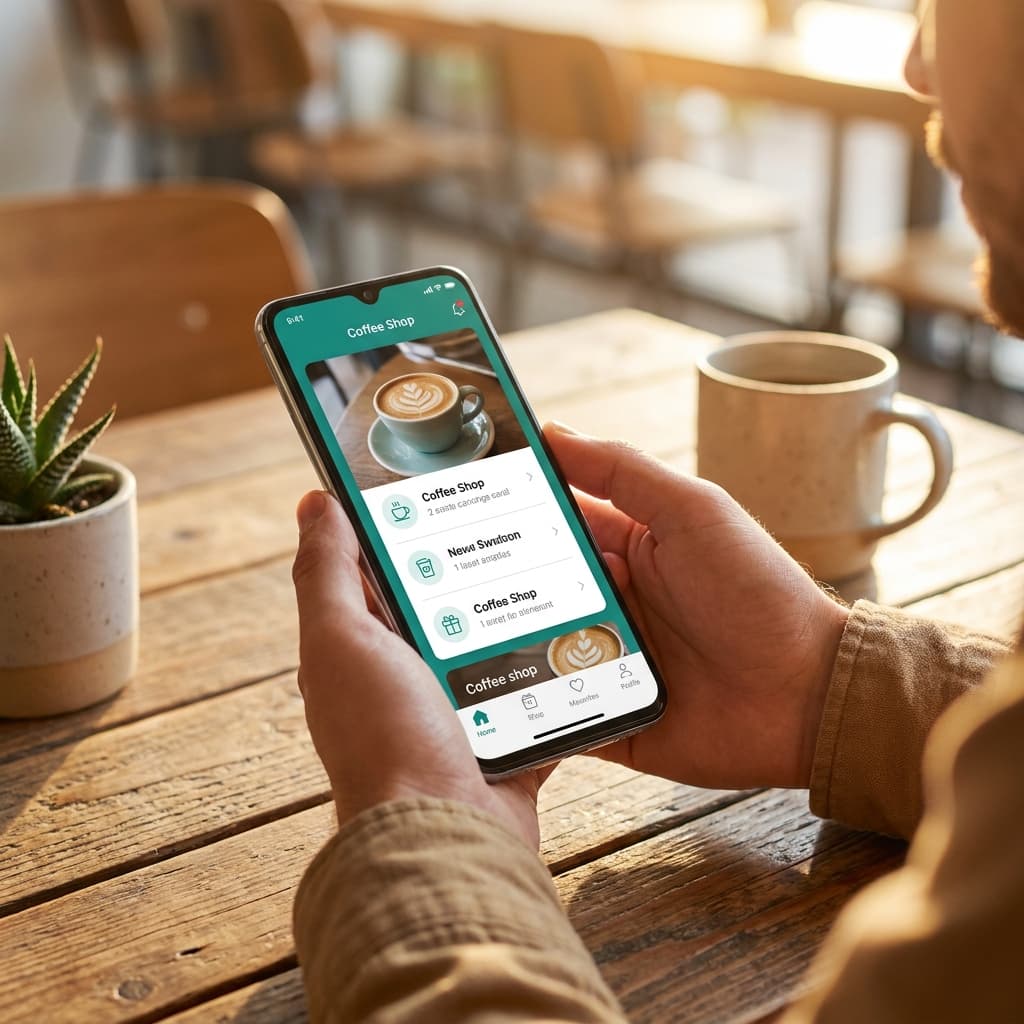
A useful way to shop is to start with your non negotiables and work outward. First, decide your time horizon: are you buying for a year, or do you want two to four years of reliable use? That single answer guides how much you should care about software updates and battery health. Next, pick three “daily drivers” you cannot compromise on: camera, performance, or display is a common trio. For performance, look beyond processor names and check RAM, storage type, and real world reviews that mention multitasking and heat. For display, prioritize brightness, resolution, and refresh rate, especially if you read outside or scroll a lot. For cameras, ignore megapixel hype and focus on stabilization, low light samples, and how quickly the camera app launches. Then check the essentials that ruin ownership when missing: NFC for tap to pay, a strong modem for your carrier, and charging speed that fits your schedule. If the page you are on includes comparison buttons, spec toggles, or short quizzes, use them. They can quickly match your priorities to models people actually keep, not just ones that look good in a thumbnail. This is how you narrow to the best budget smartphones for your life, not someone else’s.
What “best” looks like once it is in your pocket
Picture the first week with the right budget phone: you set it up in minutes, your apps restore smoothly, and the device stays cool while you bounce between maps, music, and messages. The screen is bright enough that you are not hunting for shade just to read a text. You tap to pay at the grocery store without thinking, and the battery still has plenty left when you crawl into bed. That feeling comes from a few smart tradeoffs. Many shoppers find that a slightly older flagship style processor in a midrange body beats a brand new entry level chip, even if the marketing says otherwise. Others realize they would rather have a reliable main camera with good processing than extra lenses they never use. Storage is another quiet win: 128GB is often the floor for comfort, and 256GB is a relief if you shoot lots of video. When you focus on lived experience, you stop chasing specs and start choosing stability: consistent performance, decent speakers, sturdy build, and a clean interface you will not fight. Those qualities separate “affordable” from genuinely satisfying, and they are why curated lists of the best budget smartphones can save you hours of second guessing.
Your next step is simpler than you think
Once you know your priorities, the final decision becomes a short list, not an endless scroll. Recheck three things before you commit: update policy, warranty and return terms, and compatibility with your carrier bands and features like Wi-Fi calling. If the page offers deal panels, model breakdowns, or buyer notes, take a moment to open them, the small details often reveal which option will age gracefully. You are not looking for perfection, you are looking for a phone that quietly disappears into your day because it just works. And when you land on that match, you will understand why the best budget smartphones are not the cheapest phones, they are the smartest purchases.