The Quiet Revolution of Getting Work Done: How AI Project Management Frees Your Day
Your day starts with good intentions: a fresh to do list, twelve browser tabs, and a meeting that could decide the quarter. By noon, priorities have blurred, deadlines feel slippery, and the team chat scrolls faster than anyone can read. If that sounds familiar, you are not alone. The quiet fix many leaders are leaning on is ai project management, a practical way to turn scattered effort into visible progress without adding more meetings.
Why so many teams feel behind, even when they are busy
The modern workday is a maze filled with alerts, shifting deliverables, and people in different time zones. We try to hold the map in our heads, but projects move faster than memory. Tasks live in slides, spreadsheets, and side conversations. Status meetings chew up hours, yet everyone leaves with slightly different interpretations. It is not a motivation problem, it is a visibility problem. Traditional tools track what you type in, not what actually happens. Files get detached from their context. Risks stay hidden until they become fires. And the hidden cost is context switching, those tiny mental gear changes that drain energy and quietly steal focus. This is the backdrop for ai project management. Instead of relying on manual updates, it watches work as it happens across docs, tickets, and messages, then translates it into a shared picture of reality. Think of it as an attentive coordinator who never gets tired: it learns your team’s cadence, highlights bottlenecks before they stall progress, and keeps priorities aligned, even when the week turns unpredictable. The result is less chasing and more doing, fewer surprises and more decisions grounded in what the team actually shipped yesterday and plans to ship tomorrow.
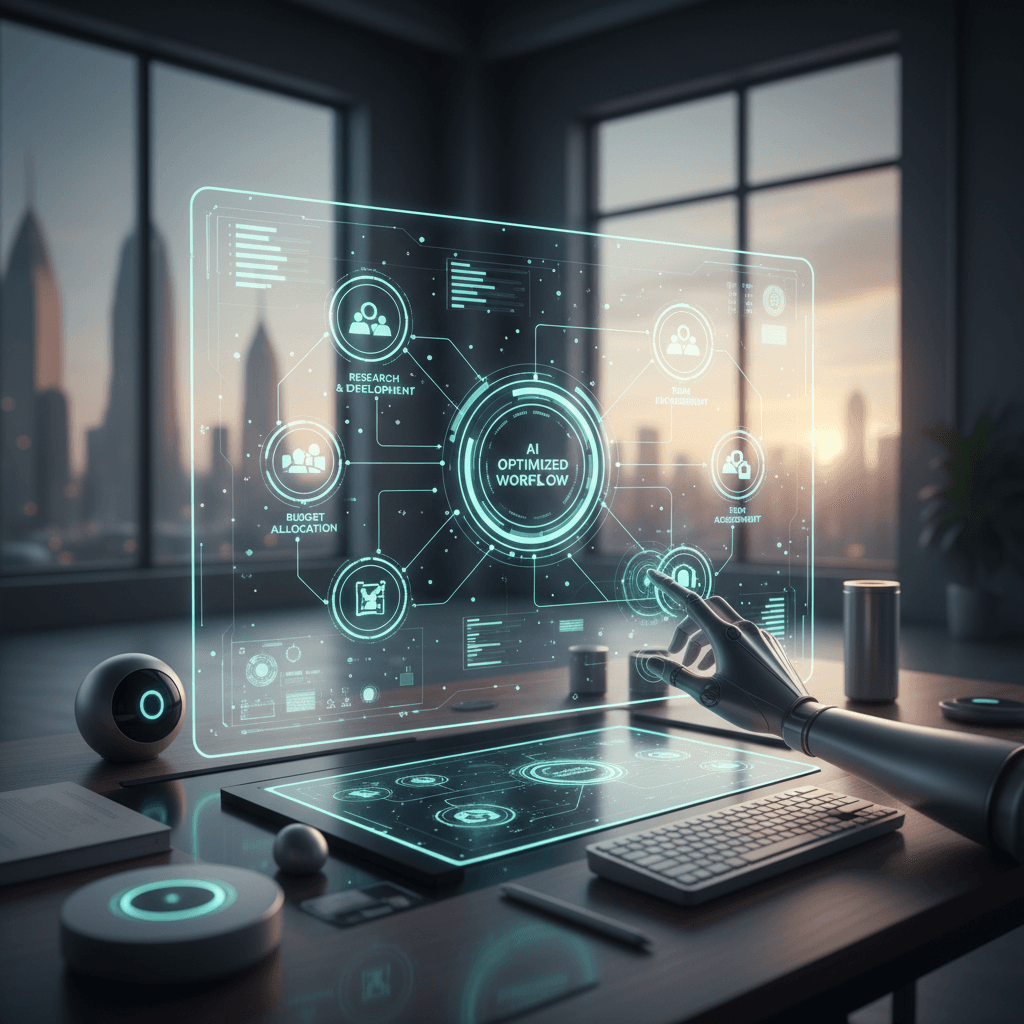
The practical playbook, from first step to steady habit
Adopting ai project management does not require a grand overhaul. Start by letting your system connect to the places where work already lives: tasks, docs, code, tickets, calendars. With that foundation, enable automatic summaries so daily noise turns into concise briefings you can skim in minutes. Next, use intelligent intake. Instead of collecting requests in scattered threads, set a single form that the AI triages by urgency, effort, and owner. Lean on predictive signals. You will see flags like capacity strain, dependencies at risk, or milestones likely to slip, along with suggested fixes. Encourage natural language updates so teammates can type a plain sentence and have it converted into a structured task with due dates and tags. As momentum builds, explore the buttons on this page: launch a live demo to see real projects analyzed, open the benchmarking guide to compare workflows, or try the planning templates that auto adjust when scope changes. Treat these not as another tool to learn, but as a set of helpful hands that keep pace with your team’s rhythm. The goal is simple: fewer manual chores, clearer priorities, and a shared plan that improves every week.
What it looks like when the fog lifts
Picture a marketing team preparing a product launch. Monday begins with a quiet ten minute standup summary, generated automatically from work logs and messages. No one is guessing what happened. The AI points out that design has two high effort tasks due the same day as the copy review, and recommends shifting one deadline by 24 hours. The team clicks accept. A vendor email arrives with last minute spec changes, and ai project management parses the message, suggests new tasks, tags stakeholders, and proposes a revised timeline. Midweek, an alert surfaces that approvals usually lag on Thursdays, so the system moves the review slot to Wednesday afternoon when approvers tend to be free. Slack stays calmer, because updates roll into a single thread with smart highlights. By Friday, the burndown chart is not a scary reveal, it is a confirmation that the plan held. People end the week with that rare feeling in modern work, the sense that the right things got done with fewer detours. Multiply this across teams and quarters, and the cumulative impact is time back, reduced risk, and momentum you can feel.
A calmer way to lead your week
The promise of ai project management is not magic, it is a better way to see and steer what already exists. When the system handles summaries, flags risks early, and keeps context attached to every task, leaders can shift from reacting to directing. If you are curious what it could look like in your world, explore the tools on this page. Try a sample roadmap to feel how auto adjusting timelines behave. Open the resource library for playbooks on intake, retros, and cross functional planning. If you prefer to test quietly, spin up a private workspace and import a single project to see how the AI narrates progress in plain language. There is no pressure here, just an invitation to trade the weekly grind for a steadier rhythm. With a few thoughtful steps and the right companion beside your team, you can turn scattered effort into focused progress and make calm, confident delivery your new normal.