The Quiet Upgrade: What Most Homeowners Miss About Door Replacement
It usually starts small: a faint whistle under the front door, a stubborn latch, a hallway that never quite feels warm. You tell yourself it is normal, that every house has quirks. Then one rainy afternoon you notice the swollen edge of the door rubbing the frame, and suddenly the “little thing” is a daily annoyance. That is the moment many homeowners begin thinking seriously about door replacement.
Why So Many Doors Fail Before the House Does
A front door takes more punishment than almost any other feature of a home. It bakes in sun, gets hammered by wind-driven rain, and absorbs the vibration of every closing, every school-morning rush, every late-night grocery run. Over time, even a solid door can warp, the threshold can compress, and weatherstripping can flatten into something that looks like a seal but no longer behaves like one. What surprises people is how quietly those changes add up: higher heating and cooling demand, more outside noise, and that subtle “never fully secure” feeling when the door does not sit perfectly in its frame. Older homes have another challenge: the door may have been installed for a different era of standards, before modern insulation expectations and before today’s tighter hardware and locksets. And if the home has shifted even slightly, a door that once closed with a satisfying click can start to bind, leaving scrape marks and chipped paint as evidence. The result is not always dramatic enough to force action, which is why door replacement often gets delayed until the irritation becomes routine. But routine costs, in comfort, in energy, and in the way guests experience your entryway before they ever see the kitchen or living room.
A Smarter Way to Think About Door Replacement
The best decisions about door replacement do not begin with a catalog photo, they begin with a quick assessment of how your home actually behaves. Stand inside on a windy day and feel for air movement around the jamb. Look for daylight at the corners, check whether the latch aligns without lifting the handle, and inspect the sill for soft spots or staining that hints at moisture. Then think about your priorities: do you want a quieter interior, a more consistent temperature, better curb appeal, or a stronger sense of security with upgraded hardware? Materials matter, but so does the system. A new slab without correcting a tired frame, poor hinge alignment, or uneven threshold can leave you with the same problems in a prettier package. Many homeowners find it helpful to explore the on-page options for measurements, style guides, and installation notes, those little buttons and drop-downs often reveal the details that make the difference between “new” and “right.” Pay special attention to insulated cores, quality weather seals, and multipoint or reinforced lock areas, not because they are flashy, but because they are the hidden mechanics of everyday comfort. Door replacement is less about swapping a panel and more about rebuilding the boundary between your home and the outdoors.
What Changes the First Week After a New Door
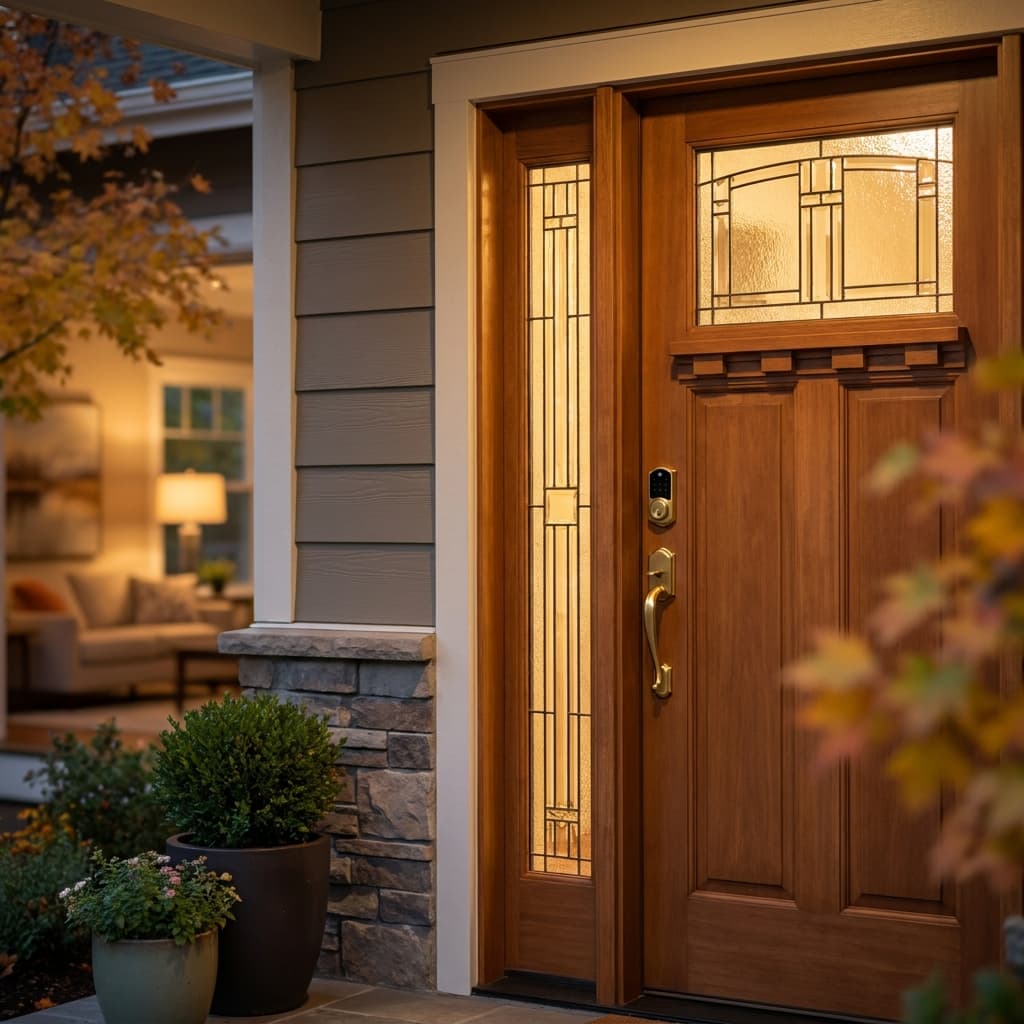
Ask someone who has completed a thoughtful door replacement and they will describe the difference in moments, not metrics. The entry closes with a solid, confident sound, not a rattle. The hallway feels calmer, as if the house is no longer breathing in cold air at the edges. The lock turns smoothly, and you stop having that reflex to tug the handle twice, just to be sure. Even the smells of the neighborhood, fresh-cut grass, traffic, a neighbor’s grill, stay outside unless invited in. There are practical wins, too. A well-sealed door can reduce drafts that make a thermostat work harder, and better alignment reduces wear on hinges and hardware. Visually, the change is immediate: a clean, straight reveal around the door, updated glass or paneling that fits your home’s character, and a threshold that looks intentional instead of patched. If you choose features like a wider sidelight, frosted glass for privacy, or a durable finish that resists fading, the entry becomes more than a passage, it becomes a daily point of pride. The best part is how quickly you forget the old struggle, until you visit a friend and notice their door sticks, and you remember what you used to accept.
Your Next Step: Make the Entryway Work for You
Door replacement can feel like a big decision, but it becomes manageable when you treat it like a simple sequence: diagnose the problem, decide what you want to improve, and choose a door system that supports those goals. Start by listing the irritations you live with, drafts, sticking, noise, moisture, outdated style, then match them to solutions like better sealing, a stronger frame, upgraded hardware, or a material that fits your climate. If your home is older or has settling, consider whether the frame and sill need attention as much as the door itself. If you are exploring options today, take a few minutes to browse the resources and comparisons on this page. They are often where you find the small, high-impact details: sizing tips, design combinations, and checklists that help you ask the right questions before you commit. A door is the first handshake of your home. When it works beautifully, you notice it once, and then you simply enjoy the quiet confidence every time you come and go.